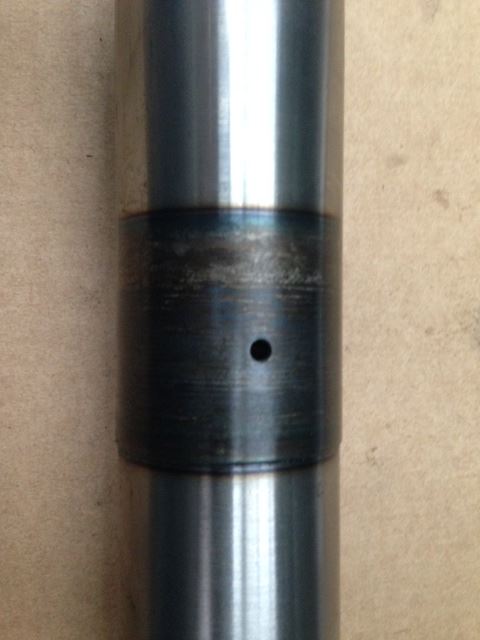
Induction Hardening
" Improve wear resistance and extend component service life "
Applications...
Induction hardening is used across a wide range of industrial sectors due to its ability to significantly improve the mechanical properties of metallic components.The main application areas include :
Automotive industry
Components such as shafts, gears, transmission shafts,and other critical parts that require high wear resistance and fatigue strength.
Tooling and Die Industry
Cutting tools and dies, where surface hardness is essential for extending tool service life.
Heavy Machinery Industry
Components used in large machines and equipment that are subject to constant wear and require high durability.
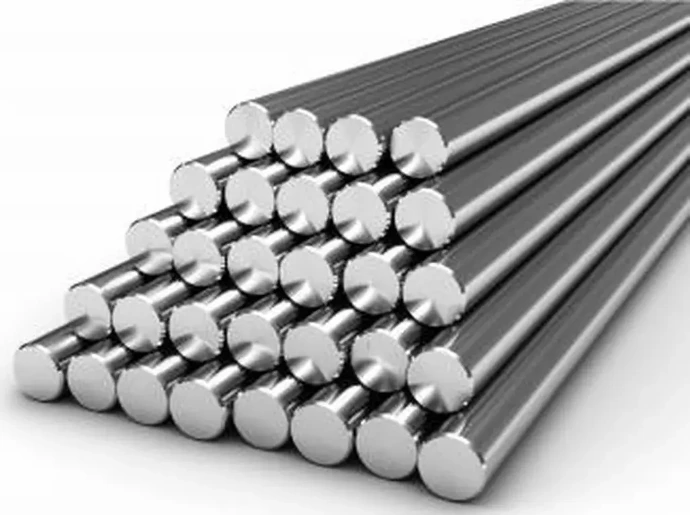
Steel Selection
Carbon Content: Higher carbon content leads to greater hardness after hardening, but it can also increase the risk of cracking or distortion.Generally, a carbon content between 0.4% and 0.6% is ideal for induction hardening.
Alloy Composition: Manganese helps increase hardening depth, while chromium can improve corrosion resistance, and boron can enhance hardenability.
Microstructure: Steels with a fine and uniform grain structure are generally easier to harden without cracking or distortion.

Advantages of Localized Hardening
Surface hardening is concentrated on the component surface, while the core retains tougher and more resilient properties, providing an ideal combination of hardness and fatigue resistance.
Reduced Distortion: Due to its localized and rapid heating process, induction hardening tends to cause less distortion of the component when compared to other surface heat treatment methods.
Gallery
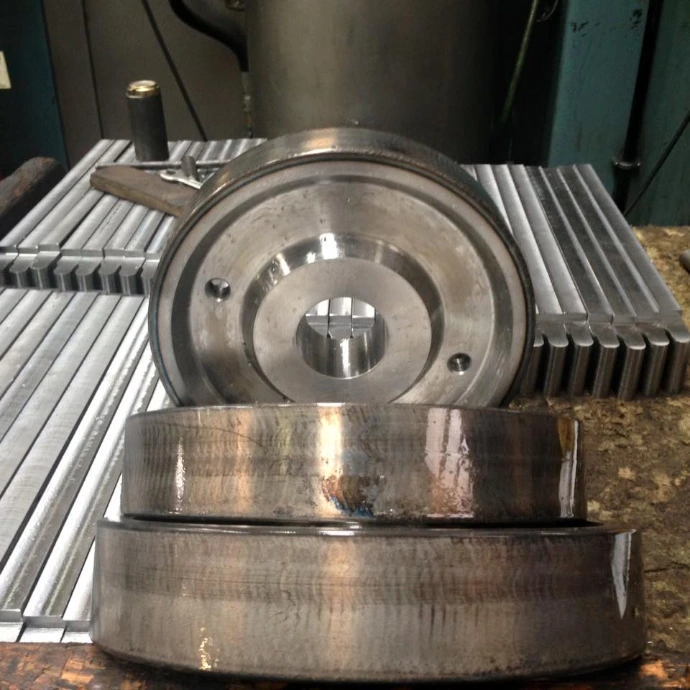
Induction Hardening - Wheel Surface
Material: 42CrMo4
Hardeness: 55 HRC
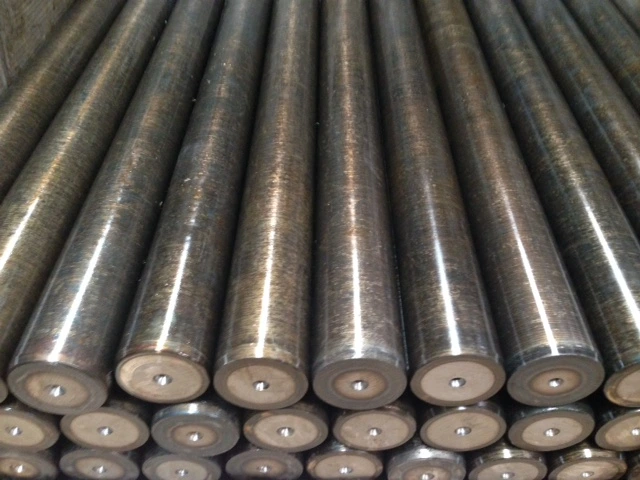
Induction Hardening - Shaft Surface
Material: Ck45
Hardeness: 54 HRC
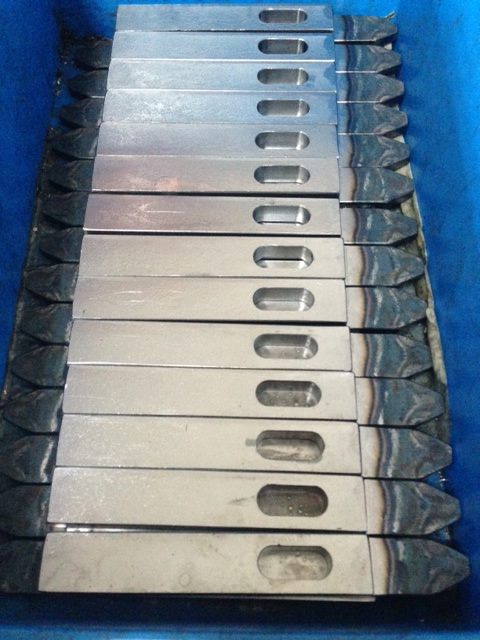
Induction Hardening - Component Ends
Material: Ck45
Hardeness: 54 HRC
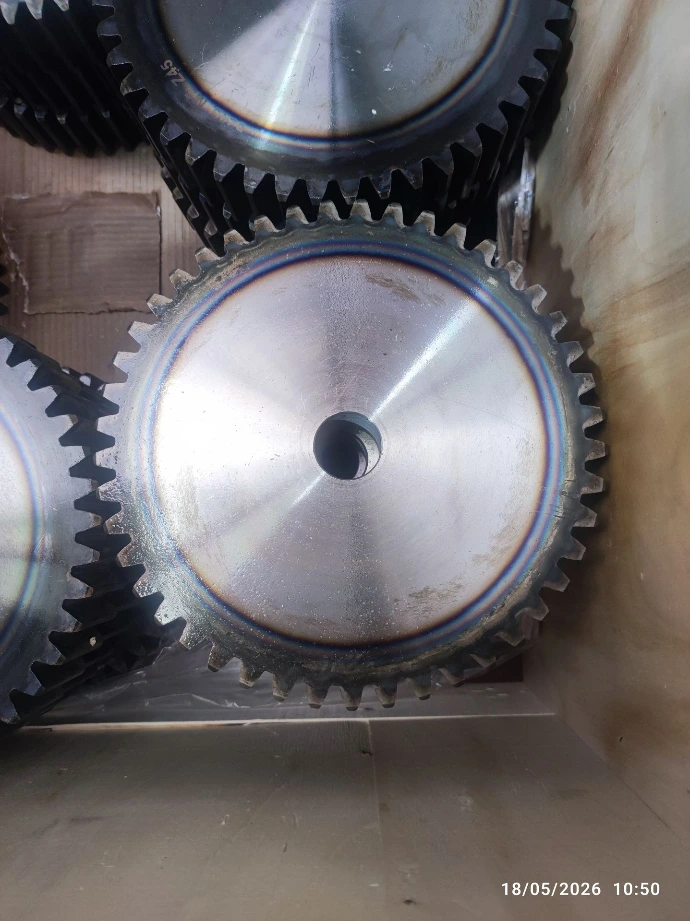
Induction Hardening - Gear Wheel
Material: Ck45
Hardeness: 55 HRC

Induction Hardening -
Material:
Hardeness:
Induction Hardening -
Material:
Hardeness:
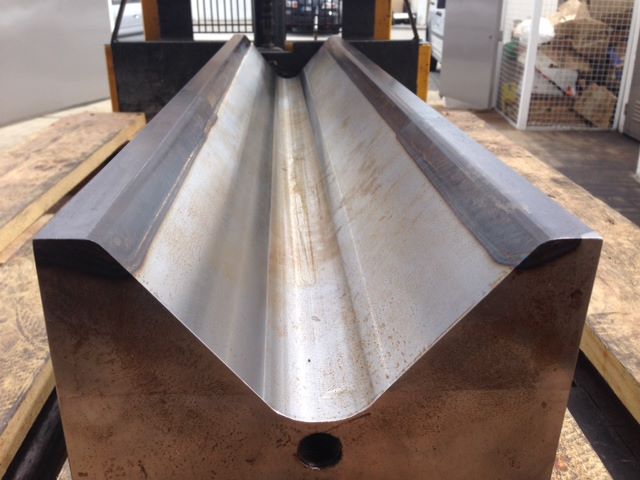
Induction Hardening - Wear Surface
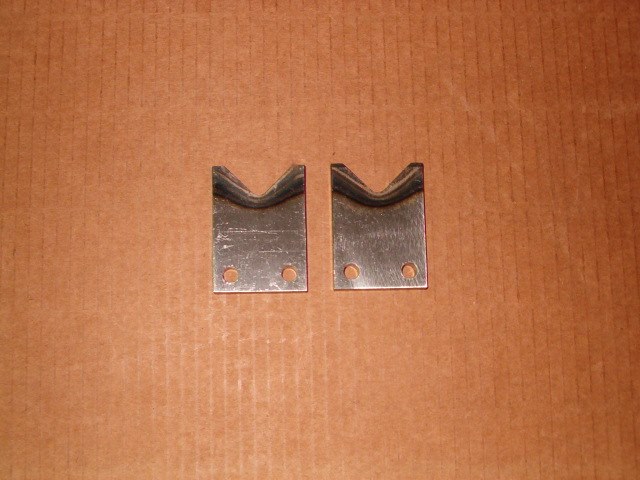
Induction Hardening - Wear Surface